Packaging is not a “set-it-and-forget-it” aspect of doing business. A strong packaging design evolves to fit business needs, market conditions and customer expectations. One of the biggest packaging mistakes a brand can make is assuming its current design will continue to work indefinitely. From seasonal demand to sustainability goals, there are several common drivers of packaging changes worth noting:
1. Seasonal Factors and Promotions
One of the most obvious, and less permanent, drivers of packaging changes involves seasonal demand and promotional campaigns. Holiday rushes, back-to-school season and limited-time offers can all create unique demands on packaging needs. Businesses may need a gift-ready presentation, limited-edition graphics or different material designs to support a specific campaign. These temporary adjustments can help brands stay relevant while meeting expectations of customers during high-traffic buying surges.
2. Regulatory and Compliance Shifts
As much as packaging design is stylistic and practical, it also has to support regulatory and compliance-based requirements. New labeling rules, restrictions on certain materials and industry-specific standards can leave businesses with no other choice than to quickly update their packaging. This is especially true for industries that package food items, pharmaceuticals, medical supplies or hazardous materials, where health and safety regulations are extremely strict.
3. Shipping and Freight Costs
Packaging costs can add up quickly in terms of weight, dimensions, and other factors that impact shipping and freight operations. Oversized packaging may increase dimensional weight, take up more space in each shipment and reduce overall transportation efficiency. On the other hand, packaging that is too small or not protective enough can lead to product damage and added replacement costs. Right-sized packaging should fit and protect the product while helping lower expenses across the supply chain, which is why shipping efficiency is a major reason businesses revisit their packaging design.
4. Product Damage
Damaged products, customer complaints and returns are clear signs that a brand’s packaging may need attention. Whether it’s oversized packaging, insufficient cushioning or materials that simply don’t hold up during transit, product damage almost always points to packaging performance. Addressing these issues starts with evaluating how the product is packed, stored and shipped, then identifying where stronger protection or a better fit can reduce risk.
5. Sustainability
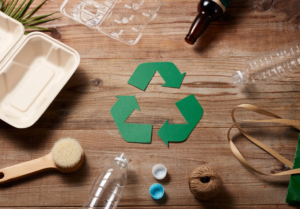
We’re moving toward an increasingly sustainable world. What was once a value-added brand feature is now a business expectation for many customers. Companies are looking for recyclable, compostable, reusable or reduced-waste options that support their sustainability goals without compromising performance. Pressure from customers, regulators and competitors can all make sustainable packaging changes unavoidable.
6. Rebranding and Customer Appeal
When a business rebrands, launches a new product line or updates its visual identity, packaging should reflect that change. Beyond aesthetics, packaging plays a huge role in how customers first perceive a brand, communicating quality and supporting the overall customer experience. Outdated packaging can be inefficient and costly, but a thought-out packaging refresh can strengthen brand recognition while helping products feel current, consistent and market-ready.
There are many reasons businesses change their packaging. Some are aesthetic while others are practical. No matter the reason, having the right packaging solutions partner by your side can make the process easier, from design to execution. Veritiv Pollock helps businesses evaluate their packaging needs, identify opportunities for improvement and implement solutions that support both operations and the customer experience. Learn more about our packaging solutions or contact us online to get started.