As expectations for more sustainable practices continue to rise, businesses need to keep up. In 2026, this means focusing on setting practical, measurable goals. Sustainability is shaped by everyday operational decisions, including everything from how products are sourced to how waste is managed. Setting clear priorities now can help you reduce your business’s environmental impact while improving efficiency across your operations. Here’s a list of what businesses should prioritize:
Smarter Supply Chain Management
One of the most effective ways to increase your business’s sustainability is to reduce emissions tied to procurement. You can make meaningful progress by consolidating vendors or choosing a single-source supplier, like Veritiv Pollock, minimizing partial shipments, and optimizing delivery schedules. These adjustments not only lower fuel consumption and carbon emissions, but they also improve consistency and reliability across your supply chain. It’s a win-win in its truest form!
Setting Waste Reduction Goals
When it comes to sustainability, reducing waste is a natural priority. This includes minimizing excess packaging, limiting single-use items, and selecting products designed to reduce disposal volume and frequency across your facility. When paired with structured waste management programs, which should include recycling initiatives, improved material sorting and clear disposal guidelines, these efforts help reduce landfill impact while maintaining efficient, organized operations.
Prioritizing Eco-Friendly Cleaning Practices
Cleaning programs play a critical role in both sustainability and workplace health. It’s important to prioritize using eco-friendly cleaning products that are effective, safer for staff and guests, and better for the environment. Concentrated formulas, proper dilution control and products packaged in recyclable materials help reduce chemical waste and packaging waste. Overall, a sustainable cleaning program is essential to minimizing your business’s environmental impact, and with eco-friendly cleaning products, you never have to compromise on cleanliness standards or operational efficiency.
Having a Sustainable Packaging Design
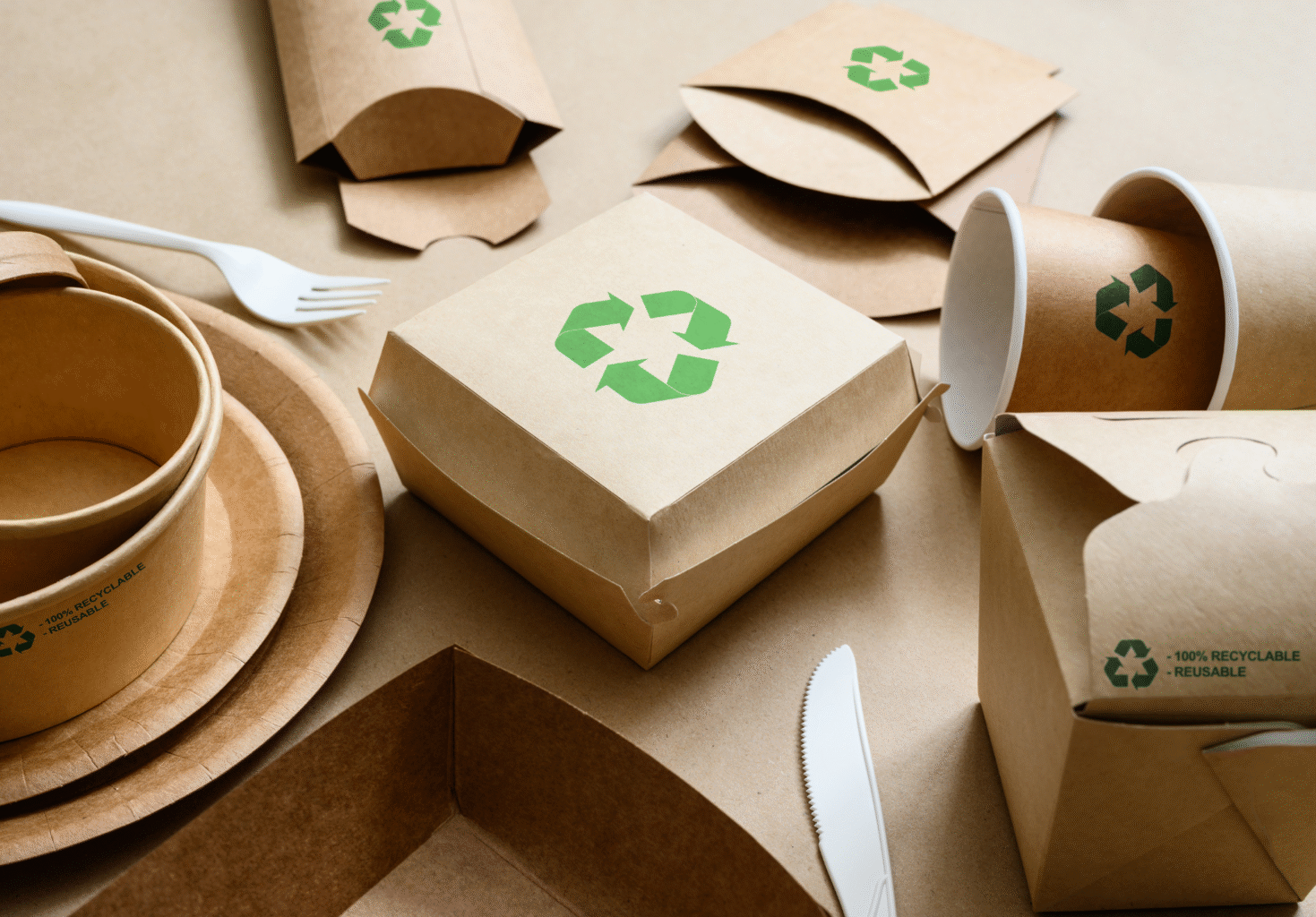
Packaging has a direct impact on waste generation and transportation efficiency. When setting your sustainability goals for 2026, prioritize using right-sized packaging to protect products while reducing material waste. You can also use recyclable or compostable materials to contribute to your waste reduction goals. Thoughtful packaging decisions not only reduce waste and disposal costs but also help lower emissions by improving shipment and transportation efficiency.
Improving Inventory Accuracy
Excess inventory remains a common yet often overlooked source of waste. Improving inventory accuracy through better demand forecasting, centralized purchasing and automation are all ways to help with this. These practices help avoid expired products and unused supplies, which, ultimately, end up contributing to unnecessary disposal and landfill impact. Setting goals to improve inventory management supports both sustainability objectives and cost control.
Partnering with a Supplier that Supports Your Sustainability Goals
With the ongoing rise in sustainability expectations, strategic supplier partnerships are more important than ever. This means you should choose a supplier that offers solutions designed to support your waste reduction and efficient procurement goals. Veritiv Pollock supplies businesses with everything they need to be efficient in their everyday operations while helping them minimize their environmental impact. From eco-friendly cleaning solutions and sustainable packaging design to custom logistics and streamlined inventory management, we’re a single-source supplier and solutions partner that puts your sustainability goals first. Get started with Veritiv Pollock today by contacting us online!